Septic Tank Pumping From Local Providers
Request an estimate and compare
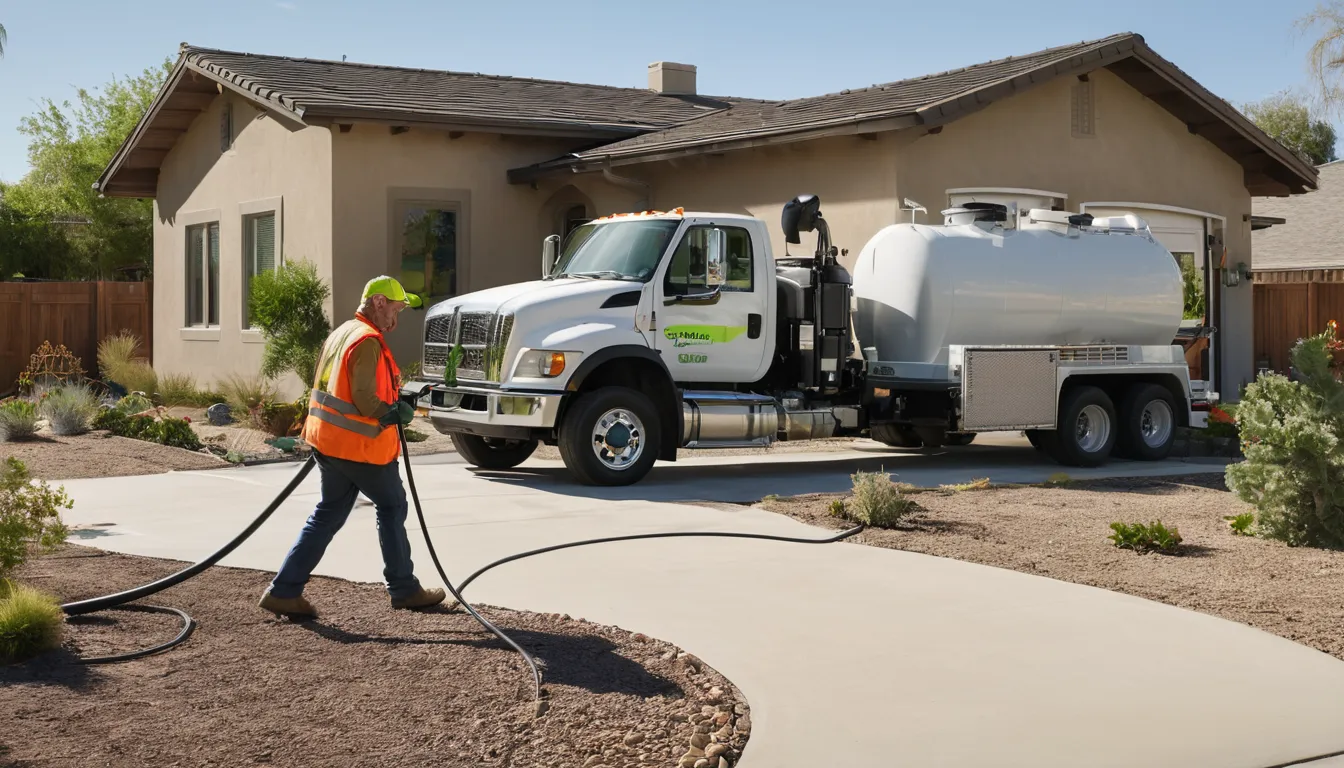
A septic tank holds waste while solids settle and liquid flows out to the drainfield. Over time, solids build up. When the tank is too full, waste can back up into the home or push into the drainfield and harm it.
Seedschaos Septic is a referral service. We connect homeowners in Beaumont and the Beaumont area with independent providers in our network who do the pumping. We do not do the work ourselves.
Stay safe first. Use less water, keep people and pets away from wet ground, and take notes and photos of anything unusual. Then compare written estimates from more than one provider before you decide. Costs vary by job, so ask what is included. There is no obligation to hire anyone.
Signs the Tank May Be Full
Start here if something seems off. These signs often point to a tank that is full or overdue:
- Sinks, tubs and toilets drain slowly.
- Pipes gurgle when water runs.
- A sewage smell shows up indoors or near the tank area.
- Soggy, bright green grass sits over the yard.
- Water backs up in the drain at the bottom level of the house.
One sign alone may not mean much. Two or three together deserve attention soon.
Do This First
Safety comes before anything else. Take these steps:
- Use less water. Skip laundry, long showers and the dishwasher.
- Keep children and pets away from wet or sunken ground.
- Open windows if there is a smell indoors.
- Take photos of any backup, wet spots or stains, and write down the date.
Do Not Do This
Some quick fixes make things worse.
- Do not open the tank lid yourself. Gases inside can be dangerous.
- Do not pour in chemical cleaners or additives hoping to fix it.
- Do not use a pump or hose to push water out of the yard.
- Do not let anyone drive over the tank or drainfield.
When It Becomes Emergency Septic Cleaning
If sewage is coming up inside the home, treat it as urgent. Stop using water and keep everyone out of the affected area. Emergency septic cleaning means a provider is asked to come out quickly because the tank is overfull. Availability varies by provider and by the day.
Request a callback to check provider availability in your area.
How Often Pumping Is Usually Needed
Many homes need pumping every three to five years. That is a rough range, not a rule. Tank size, the number of people in the house and how much water you use all change the timing. A large household with a small tank may need service more often. A couple in a big tank may wait longer.
If you do not know when the tank was last pumped, assume it may be due and ask a provider to check.
What Happens During a Visit
A provider finds the tank and uncovers the access lid. A truck with a pump and hose removes the liquid and solids. The provider may look at the baffles, the inlet and outlet, and the water level after pumping. You should be told if anything looks cracked or worn.
Many tanks have more than one lid. Ask whether all sections will be pumped, since a partial job leaves waste behind.
Compare, Then Decide
You do not have to accept the first price. Ask two or three providers for a written estimate. Line them up side by side:
- What is included, such as digging to the lid or disposal fees
- Tank size and how many gallons are assumed
- Whether an inspection of parts is part of the visit
- Any extra charge for a hard-to-reach tank
A low number that leaves things out may cost more later. Take your time unless water is backing up.
Keep Your Records
Good paperwork saves trouble. Save each receipt, the date, the tank size and any notes from the provider. Keep your photos in one folder. If damage happens, some policies may cover sudden damage, so check your policy. Providers can often help document damage for a claim.
Pumping and Inspections
Pumping and inspecting are different jobs. Pumping empties the tank. An inspection looks at the tank, the pipes and the flow to the drainfield. Pumping gives a clear look inside, so many homeowners ask for both at once. If an inspector finds a problem, that may lead to separate repair work such as drainfield repair, which has its own page.
Buying or Selling a Home
Many buyers and lenders want proof that a septic system works. Pumping records and an inspection report help. If you are selling, gather your records early. If you are buying, ask for them and consider having the tank pumped before closing so the inspector can see inside.
Caring for Your System Between Pumpings
Small habits protect the tank, especially across our long dry seasons and winter rain events.
- Spread laundry across the week.
- Flush only toilet paper and waste.
- Keep grease, wipes and coffee grounds out of drains.
- Plant grass, not trees, over the drainfield.
- Fix leaking faucets and running toilets.
If You Also Have a Well
Homes with a private well need extra care. The tank and drainfield sit a set distance from the well for a reason. If a backup or a flood happens, ask a provider about water well service and water testing before you drink the water. Stay safe first.
Questions to Ask the Provider
- Is the price in writing, and what could change it?
- How big is the tank, and how will you find it?
- Will you pump every compartment?
- Can I get a receipt with the tank condition noted?
- What should I do if the problem comes back?
What's Included
Tank Pumping
A truck and hose remove built-up liquid and solids so the tank has room to work again.
Lid Access
The provider finds and opens the tank lid so the inside can be reached safely.
Quick Condition Check
Many providers look at baffles, water level and visible wear while the tank is empty.
Service Notes
You can ask for a receipt that lists the date, tank size and anything the provider noticed.
Typical Septic Pumping Price Ranges
Prices differ by tank size, access, location and how full the tank is. These are typical U.S. ranges only. Ask each provider for a written quote that lists what is included.
| Item | Typical range | Notes |
|---|---|---|
| Standard pumping, 1,000 gallons | $300 – $600 | Common for smaller homes |
| Larger tank, 1,500+ gallons | $450 – $900 | More volume costs more |
| Digging to find a buried lid | $100 – $400 | Depends on depth and soil |
| Riser or lid installation | $300 – $800 | Makes future access easier |
| Pumping plus basic inspection | $400 – $900 | Often asked for in home sales |
| Urgent or emergency visit | $500 – $1,200 | Varies by provider and timing |
How It Works
Note the Signs
Write down what you see and hear, take photos, and cut back on water use around the house.
Call or Request
Request a callback to check availability, or send the estimate form.
Compare Written Quotes
Check size, inclusions and extra fees side by side before you pick a provider.
Schedule and Save Records
Book the visit, be there if you can, and keep the receipt and photos together.
Why Call Seedschaos Septic
Clear Comparisons
Ask for estimates from more than one local provider and review what each one includes before choosing.
Safety First
Simple do and do not steps help you avoid risky shortcuts while you wait.
Independent Providers
The work is done by local providers in our network, not by Seedschaos Septic.
No Pressure
Requesting an estimate carries no obligation, so you can decide at your own pace.
Other Services

Need septic tank pumping in Beaumont?
Request a callback to check provider availability, or use the form to request an estimate. Questions? Email contact@seedschaos.garden. No obligation.
No obligationSeptic Tank Pumping FAQ
How do I know if my septic tank is full?
Slow drains, gurgling pipes, odors and soggy ground over the tank area are common signs. If sewage backs up indoors, limit water use and ask a local provider to check availability.
How often should a septic tank be pumped?
Many homes need pumping about every three to five years, but it depends on tank size and household water use. A provider can suggest a schedule based on your system and your records.
Can I pump my own septic tank?
No. Tank gases are dangerous, and waste must be hauled and disposed of properly. Leave pumping to a trained provider and keep the lid closed.
Reach a local provider
Request a callback to check provider availability, or use the form to request an estimate. Questions? Email contact@seedschaos.garden. No obligation.
No obligation